
Nationwide Foodborne Illness Outbreaks Spur Public Health Advisories
Nationwide foodborne illness outbreaks are prompting public health advisories on how to prevent sickness.

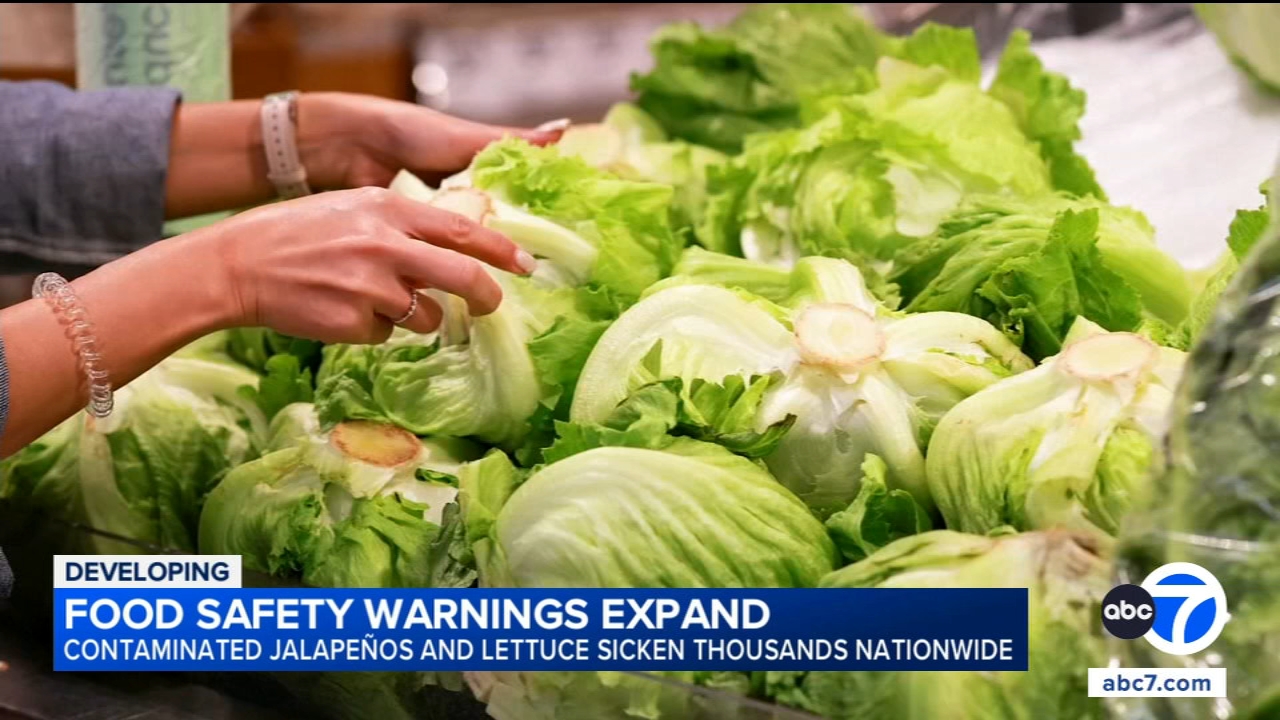
 San Francisco Oakland San Jose, CA, August 6, 2026 —
Recent widespread foodborne illness outbreaks across the nation are leading public health officials to issue updated advisories aimed at preventing further sickness. The outbreaks, which have affected multiple states, highlight the ongoing challenges in ensuring food safety from farm to table.
While specific details regarding the exact pathogens, implicated food products, and the number of individuals affected in each outbreak have not been fully detailed in all cases, the pattern of increasing incidents has triggered a coordinated response from health agencies. These agencies are focusing on reinforcing best practices for food handling and preparation among both consumers and food service establishments.
Key recommendations often emphasized in such advisories include thorough handwashing before, during, and after food preparation, as well as after using the restroom. Officials also stress the importance of cooking foods to their appropriate internal temperatures to kill harmful bacteria. For perishable foods, prompt refrigeration is crucial to slow bacterial growth.
Cross-contamination is another significant area of concern. Health authorities advise separating raw meats, poultry, seafood, and eggs from other foods during shopping, storage, and preparation to prevent the spread of germs. Thorough cleaning of utensils, cutting boards, and countertops after contact with raw animal products is also a critical step in mitigation.
The advisories serve as a reminder to the public about the potential risks associated with consuming contaminated food and the simple yet effective measures that can significantly reduce the likelihood of falling ill. Public health departments are urging vigilance and adherence to established food safety guidelines to curb the spread of foodborne diseases.
Information on specific outbreaks, including affected products and investigation updates, is typically available through the Centers for Disease Control and Prevention (CDC) and state and local health department websites. Officials encourage individuals who suspect they have a foodborne illness to report their symptoms to their local health department.
Story summarized from the original created by KABC on abc7.com, see more information here.
Media gallery


