
School cameras may protect students. But who protects the footage?
Videoloft reports that school CCTV footage must be carefully managed due to increased risks from AI misuse, ensuring

Press Release Disclaimer: This is a press release distributed through the XPR Media network. It has not been independently verified by our newsroom.

Titikul_B // Shutterstock
School cameras may protect students. But who protects the footage?
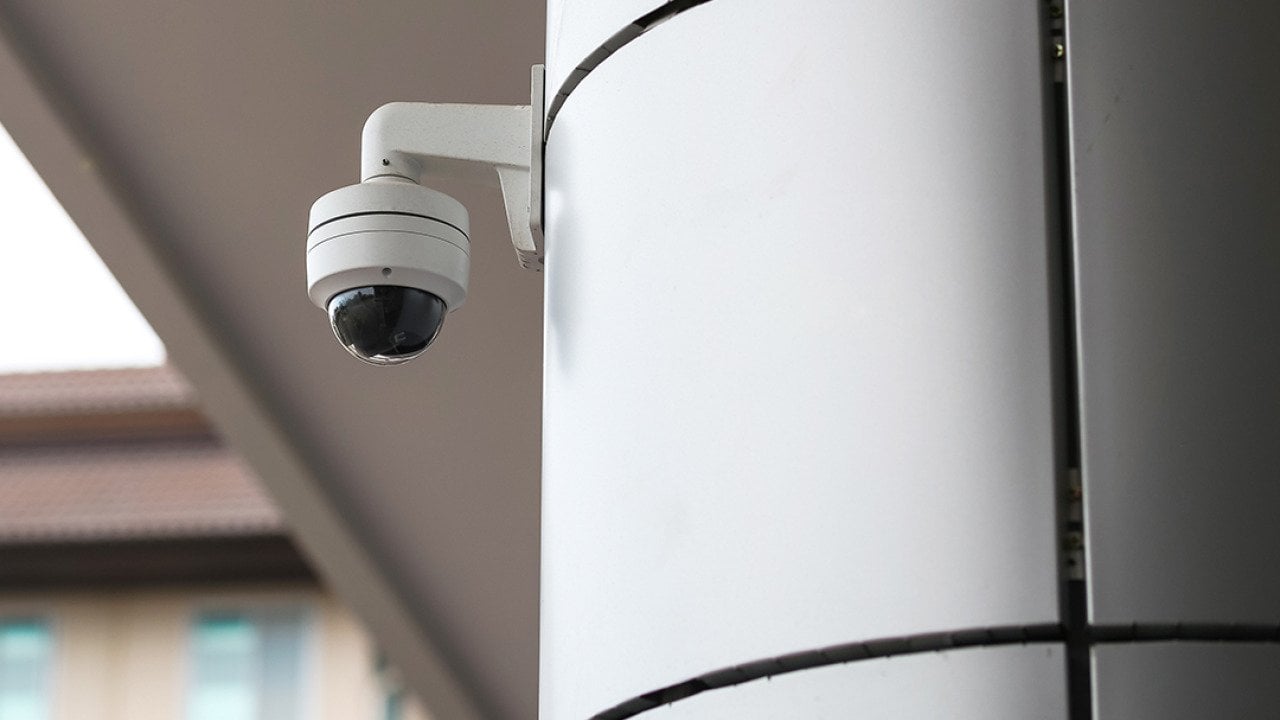
Look around you at any school, and the chances are you’re going to see a security camera.
Entrances, parking lots, hallways, reception areas, bus lanes and playgrounds all need visibility. When an incident occurs, footage can help staff work out what took place and why.
But recently, the risk around student images has changed. AI has made ordinary images easier to copy, alter, share and weaponize. That doesn’t mean school CCTV footage is being widely misused for AI, but it does mean schools need to treat every identifiable image of a student with more care than they did a few years ago.
Recent research has shown that 40% of public high school students had heard of a deepfake depicting someone associated with their school being shared during the 2023-2024 school year.
The Associated Press reports that schools across the U.S. are dealing with students using AI to turn ordinary images of classmates into sexually explicit deepfakes. It also noted that at least half of U.S. states enacted legislation in 2025 addressing fabricated images created with generative AI.
The point is that with the advent of AI, student images have become more vulnerable and a lot easier to misuse.
Schools already collect images of their students in lots of forms — website photos, ID systems, social media posts and security cameras.
A hallway camera may show a child upset after a fight. A playground camera may capture a safeguarding concern. A reception camera may record a parent dispute. A parking lot camera may show students, staff and visitors moving through the site at the same time.
This type of camera footage shouldn’t be readily available or easy to export without a good reason. It shouldn’t sit in a system where lots of people share the same login, with no record of who viewed what.
For a long time, the school camera conversation was mostly about coverage: which doors, corridors, parking lots or playgrounds were being watched. This is still important, but what’s becoming more important is the governance of the footage — who can access it and what they can do with it, Videoloft reports.
Student images are now more vulnerable
WIRED analyzed reported incidents involving AI-generated deepfake nude images in schools and they found that nearly 90 schools and more than 600 students have been affected by this across 28 countries since 2023.
In the U.K., The Guardian reported that child safety experts had urged schools to remove identifiable pupil photos from websites and social media because AI tools were being used to manipulate images of children into sexually explicit material for blackmail. The report referred to an unnamed U.K. secondary school where 150 manipulated images from a blackmail attempt were classified as child sexual abuse material under U.K. law.
This U.K. example just shows how frightening the risk can be. A photo that is totally harmless on a school website can now be altered and used in ways the school never intended.
Schools are being urged to be more careful about what images they post online, and the same care should be applied to camera footage. A few years ago, a school CCTV policy may have focused mainly on camera placement, storage length and visible warning signs. Whilst still important, it’s no longer enough. Schools now need to think about access, exports, audit logs, remote viewing, account security, clip sharing, retention and deletion.
Cameras help when the rules are clear
Cameras in schools are essential for safeguarding. Schools have large sites to protect, with busy entrances, parking lots, sports areas, playgrounds, corridors and buildings that may be used outside normal school hours.
When an incident happens, staff need to know what took place and why. Parents want answers. Police or insurers may need evidence. Teachers may need protection from false allegations. Students may need support after something that was not seen by an adult at the time.
CCTV footage is essential in those scenarios, but the management of that footage needs clearer rules. Schools need to be able to show who can view live footage, who can watch recordings and why, who can export clips, how long footage is kept for and what happens when the video footage isn’t needed anymore.
Access is where schools need to be stricter
Who can access a school’s CCTV footage is important. Different people need different levels of visibility. A receptionist may need to see the front entrance. A facilities manager may need to review an act of vandalism. A safeguarding lead may need access to footage linked to student welfare. Senior leadership may need export rights for serious incidents. External security teams may need limited access for specific sites or times.
However, that doesn’t mean every person needs full access to everything on the system. In fact, the fewer people who can view, download or share student footage, the lower the risk of mistakes, misuse or accidental disclosure.
Exporting needs particular care and attention. Once a video clip is exported, it leaves the system, and control becomes harder. For instance, a file sent by email is easier to forward or misuse. If a clip of a student is exported, the school should be able to see who exported it, when they did it, and why.
Retention matters too
Keeping footage for too long creates its own problem. Schools need enough time to review incidents, deal with late reports and preserve evidence where there is a safeguarding, insurance or legal reason to do so. But footage of children should not just sit there indefinitely because no one has reviewed the settings.
Retention should be a conscious decision. Keep what is needed. Lock down access while it is stored. Save incident clips properly when they are part of an investigation. Let routine footage expire when it has served its purpose.
Parents do not need a technical explanation. They need to know the basics: why the school records, who is allowed to look, how downloads are controlled, and when routine footage disappears.
AI makes old CCTV policies look dated
Many school camera systems were installed before generative AI became part of everyday life. That doesn’t make those systems obsolete, but it does mean the policies around them may now be out of date.
A policy written for an older CCTV system may not say enough about still-image extraction, remote access, staff account removal, clip sharing, vendor access or audit trails. It may not explain how footage governance connects to AI misuse or online safety.
Schools are being asked to manage risks that did not look the same even three years ago. Students can create or spread manipulated images quickly and parents are more aware of digital harm. In that environment, “we have cameras” is not enough. Schools need to know how those cameras are governed.
A back-to-school safety check
August is a practical time to review this. Before students return, schools already check buildings, staffing, routes, schedules, visitor processes and emergency procedures. Camera governance should sit in the same back-to-school review.
Before students come back, someone should actually open the system and check it. Some important things to check include removing old staff accounts, reviewing who can watch live and recorded video, check the right people have the access they need – not everyone with access needs download permissions
It’s also worth checking the messier parts of the process. If a clip needs to go to police, a parent, an insurer or a local authority, who sends it? Is it shared as a controlled link, an email attachment, a download, or something else? If student images are misused or manipulated with AI, do staff know who deals with it?
These are the details that usually get tested after something has already gone wrong.
The schools that handle video best will not be the ones with the most cameras. They will be the ones that know why they are recording, who can access footage, how it is protected, and when it should be deleted.
That is the standard parents should expect. Not because schools should become surveillance sites. Because student footage is now sensitive data. And sensitive data needs rules.
This story was produced by Videoloft and reviewed and distributed by Stacker.



