Intermountain Health Athletic Trainers Keep Kids Safe At High School Sports
Intermountain Health athletic trainers at high schools across Utah will be monitoring athletes and helping coaches plan

Press Release Disclaimer: This is a press release distributed through the XPR Media network. It has not been independently verified by our newsroom.
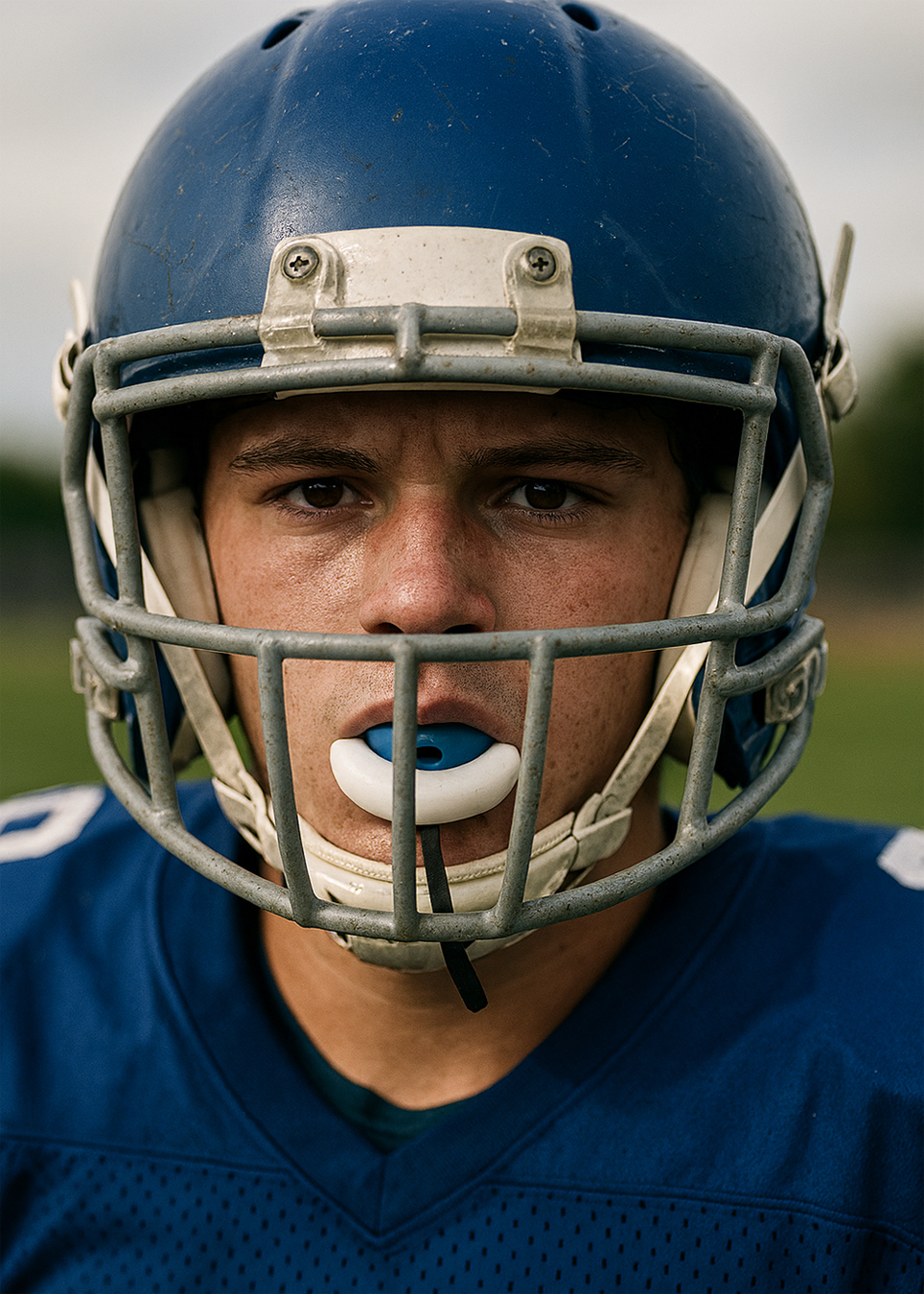

Intermountain Health athletic trainers at high schools across Utah will be monitoring athletes and helping coaches plan workouts and keeping kids safe from heat illness.
SALT LAKE CITY, UT (PRUnderground) August 28th, 2026
High school athletes have returned to fall sports such as football and soccer, and Intermountain Health wants everyone to stay safe, especially athletes.
With temperatures stay near record highs, Intermountain Health athletic trainers are monitoring athletes and helping coaches plan workouts and keep kids safe from heat illness.
An athletic trainer tracks outside temperatures to determine if activity times need to be adjusted, or an increase the number of water breaks. Depending on where practice takes place, they may also monitor surface temperature which can accelerate heat illness.
“Thanks to training for coaches and state mandated heat acclamation periods, we are good at avoiding heat illness for athletes while they get used to training in hot weather,” said Hanna Lurie, an Intermountain Health certified athletic trainer. “Our job as trainers is to work with coaches and keep an eye out for athletes who may be showing early signs of dehydration or heat illness.”
For temperatures this hot and activity this intense, Lurie recommends kids start hydrating now and notes it’s better to drink small amounts of water throughout the day then chugging water during a workout.
In situations like this a little bit of salt or a sports drink and help athletes retain those fluids.
Athletic trainers also remind people to focus on their nutrition in the heat.
While some may not be hungry due to the hot weather it’s vital to get proper foods to match their level of activity. Some foods like melons and fruits can be high in water contents and help keep athletes hydrated.
Situations like this are one of many reasons the need for certified athletic trainers (ATC) at local high schools has become a necessity and not just a luxury. Intermountain Health partners with dozens of high schools in Utah to offer certified athletic trainers to support high school athletes in all sports.
“We use our medical expertise to give best care to students but also work with coaches to prevent injuries in the first place,” said Lurie. “With what we now know about concussions and other serious injuries, our work has become vital to sports programs.”
According to a study conducted by the American Academy of Pediatrics, the presence of athletic trainers in the secondary schools lowers overall injury rates, improves diagnosis and return‐to‐play decisions, and reduces the risk for recurrent injuries.
There are several key things an athletic trainer provides to a school which focuses on the wellbeing of student athletes. Having access to a medical professional on the sideline, and during school hours is a way to increase safety.
In rare cases trainers have been on hand during major medical emergencies with students and have rendered aid until an ambulance arrived.
Injury prevention is a major part of an athletic trainer’s work, and they often guide coaches on habits and drills that can achieve those goals. Advising coaches on proper warm up and cool down can go a long way in helping athletes stay healthy.
An ATC is vital to quickly recognizing and treating sport related injuries and illness. Whether it’s in practice or a game, diagnosing an injury quickly has shown to produce best possible outcomes for injured athletes.
Many states including Utah require a medical professional to evaluate any athlete suspected of having a concussion and implement a concussion protocol before they can return to play. That’s another reason having an athletic trainer on the sidelines is a crucial part of player safety.
Athletic trainers can also help with an athlete’s rehabilitation during school hours in some cases. Eliminating the need for the athlete to leave school, or for parents to take time off work to pick them up.
Click here for more information on Intermountain Health’s sports medicine programs.