AI Chatbots May Be Eroding Human Connection Skills, Expert Warns
A discussion with human-AI relationship coach Amelia Miller from the San Francisco-Oakland-San Jose area highlights concerns that people's reliance on chatbots for intimacy and companionship may harm their human relationships. Miller warns that the constant availability, validation, and lack of…

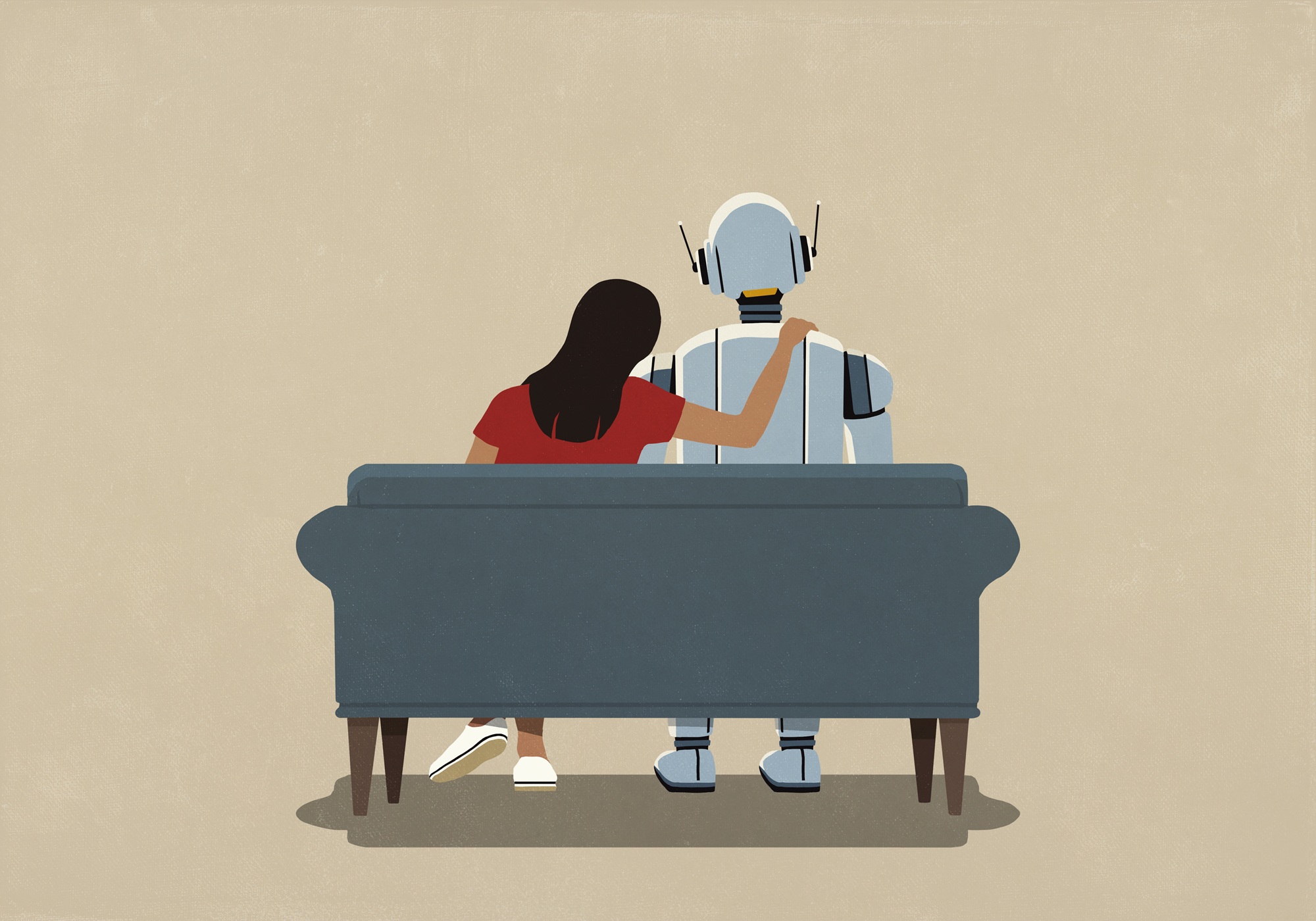
 San Francisco Oakland San Jose, CA, September 29, 2026 — In the growing landscape of artificial intelligence, human-AI relationship coach Amelia Miller has voiced concerns about the potential negative impacts of relying on chatbots for intimacy and companionship. Miller, based in the San Francisco-Oakland-San Jose area, suggests that the increasing integration of AI into personal lives may be detrimental to the development and maintenance of human relationships.
The core of Miller’s observation centers on the inherent characteristics of chatbot interactions. Unlike human relationships, which often require negotiation, compromise, and effort, AI companions offer constant availability and readily available validation. This ease of interaction, Miller argues, may inadvertently lead to a decline in users’ social connection skills.
According to Miller, the continuous and effortless positive reinforcement provided by chatbots can set distorted expectations for real-world relationships. Human interactions are complex and multifaceted, involving periods of disagreement, personal growth, and the need for sustained effort. When compared to the seamless and accommodating nature of AI, human relationships might appear more challenging or less rewarding, potentially leading users to disengage from them.
Furthermore, the coach points to a potential diminishing sense of personal autonomy. As users become accustomed to the readily available, low-effort companionship offered by AI, they might find it increasingly difficult to navigate the complexities of human social dynamics. The convenience and predictability of chatbot interactions could make genuine human connection seem like a more arduous undertaking, leading some to prefer the simpler AI alternative.
This reliance, Miller suggests, could result in an ‘atrophy’ of the skills necessary for building and sustaining meaningful connections with other people. These skills include empathy, active listening, conflict resolution, and the capacity to navigate the inevitable imperfections of human interaction. The accessibility of AI companions, while seemingly offering solace, may therefore inadvertently hinder the cultivation of these vital interpersonal capabilities.
Story summarized from the original created by Steph Rodriguez on ww2.kqed.org, see more information here.
Media gallery