
Climate Change, Droughts May Nearly Double Water Bills by Mid-Century, Study Suggests
A Stanford University study suggests that climate change and severe droughts could lead to water bills almost doubling in some communities by mid-century.

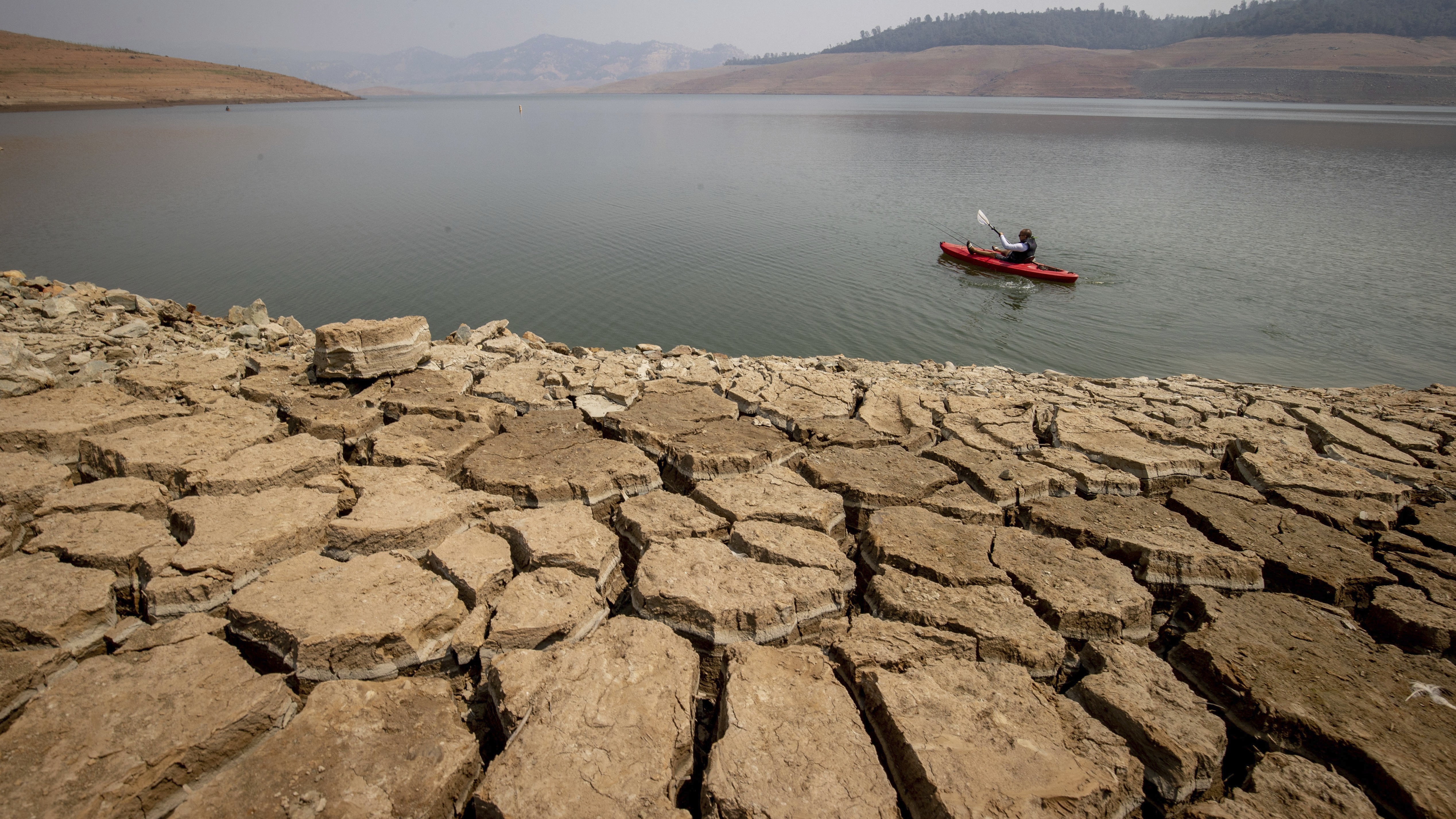
 San Francisco Oakland San Jose, CA, August 13, 2026 —
Climate change and worsening drought conditions could significantly increase water costs for many communities, potentially leading to bills almost doubling by the year 2050, according to a recent study from Stanford University.
The research highlights a growing concern about water scarcity in various regions, exacerbated by changing weather patterns attributed to climate change. As droughts become more severe and prolonged, the strain on existing water resources intensifies. This scarcity often translates into increased operational costs for water management and supply systems, which are then passed on to consumers through higher utility rates.
The study, conducted by researchers at Stanford University, analyzed various factors contributing to water cost fluctuations. While the specific communities most affected or the exact percentage increase were not detailed in the summary, the projection indicates a substantial financial impact on households. The findings underscore the interconnectedness of environmental conditions and essential utility costs.
The implications of such a drastic increase in water bills could be far-reaching, affecting household budgets, local economies, and potentially exacerbating existing inequalities if lower-income communities are disproportionately impacted. The study’s findings serve as a stark reminder of the tangible economic consequences of climate change.
Further details regarding the methodology of the Stanford University study or specific regional predictions were not provided in the summary. However, the core finding points to a future where access to affordable water may become a more significant challenge for many.
Story summarized from the original created by Liz Biro on abc7news.com, see more information here.
Media gallery
