NASA Launches New Space Telescope on Mission to Discover Exoplanets and Uncover Cosmic Secrets
NASA's newest space telescope has launched on a quest to find planets around other stars and explore the hidden universe.

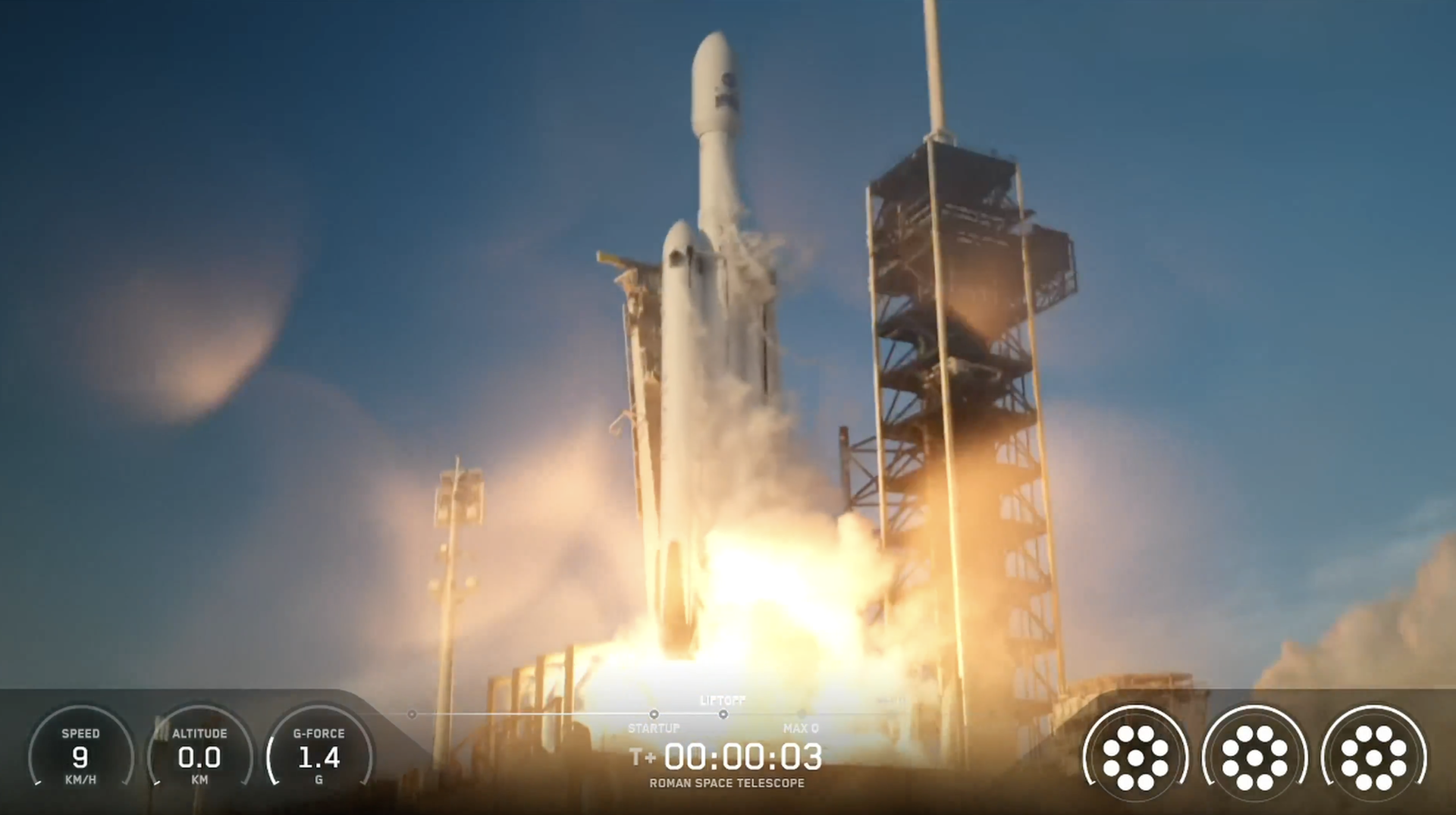
 San Francisco Oakland San Jose, CA, August 30, 2026 — NASA has successfully launched its latest space telescope, embarking on a significant mission to expand humanity’s understanding of the cosmos. The advanced observatory is specifically tasked with searching for planets orbiting stars beyond our solar system, known as exoplanets, and delving into previously unseen aspects of the universe.
The launch marks a critical step in NASA’s ongoing efforts to explore space and advance scientific discovery. The telescope’s primary objectives include identifying new worlds that could potentially harbor life and gathering data that will shed light on the universe’s most enigmatic phenomena. The mission’s design is expected to provide unprecedented insights into the formation and evolution of planetary systems and the fundamental nature of celestial objects.
While the summary states the telescope has launched, specific details regarding the telescope’s name, its launch date, the exact trajectory, or the expected duration of its mission were not provided. Furthermore, information concerning the specific instruments aboard the telescope or the scientific teams involved in its operation is also absent from the provided summary.
The endeavor represents a continuation of NASA’s legacy in space exploration, building upon the successes of previous missions. The quest to find planets around other stars is a long-standing goal in astronomy, with thousands of exoplanets confirmed to date. This new telescope aims to enhance this catalog with potentially Earth-like worlds and gather crucial atmospheric data. Its exploration of the “hidden universe” suggests capabilities for observing phenomena that are not readily detectable by current or past instruments, possibly including dark matter, dark energy, or early universe conditions.
The scientific community anticipates that the data collected will fuel numerous research projects and potentially lead to groundbreaking discoveries about our place in the universe. The mission’s success hinges on its operational lifespan and its ability to transmit valuable scientific information back to Earth, which will be analyzed by researchers worldwide.
Story summarized from the original created by AP on abcnews.com, see more information here.
Media gallery