
California Lawmakers Reach Compromise on Wildfire Liability Bill
California lawmakers have reached a compromise on Senate Bill 492, advancing legislation that would hold utility companies responsible for wildfires caused by their equipment.

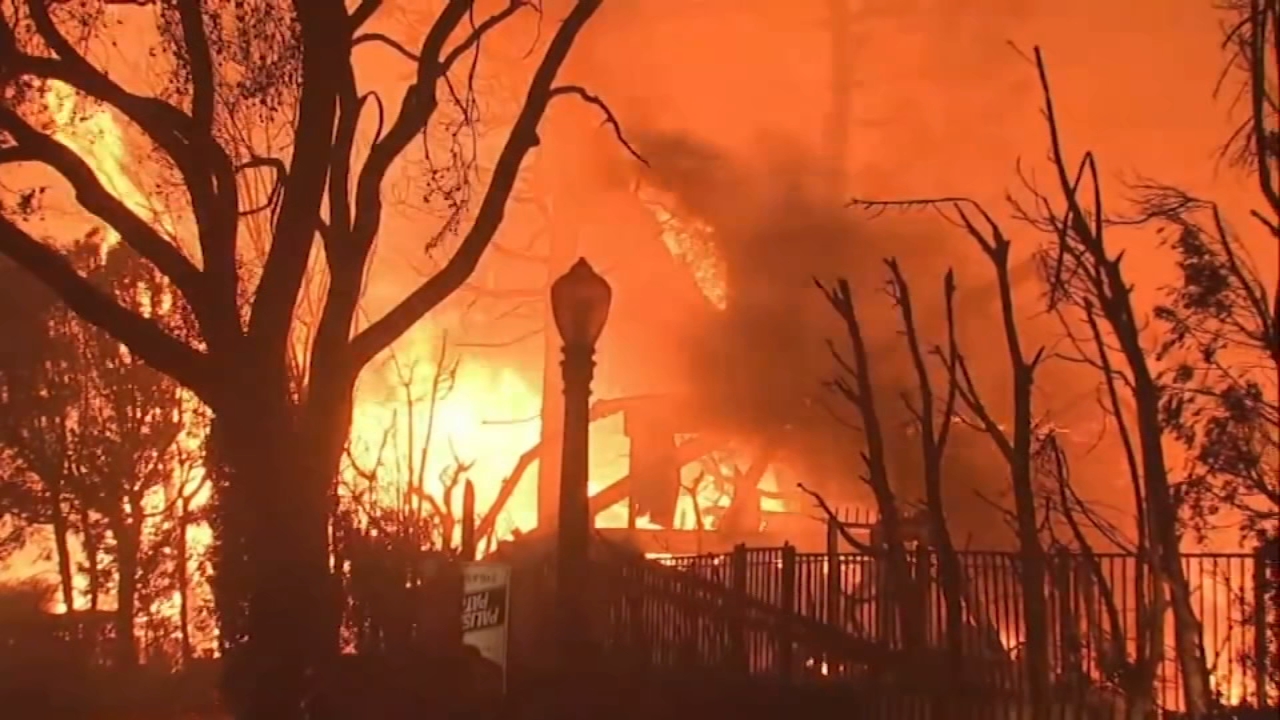
 San Francisco Oakland San Jose, CA, August 31, 2026 —
California lawmakers have announced a compromise on Senate Bill 492, a legislative measure that aims to redefine the accountability of utility companies for wildfires originating from their infrastructure. This development signifies an advancement for the bill, which proposes to hold these companies responsible for damages and costs associated with fires ignited by their equipment.
The specifics of the compromise, including the exact nature of the adjustments made to the original text of Senate Bill 492, were not detailed in the information provided. Similarly, the timeline for when this legislation moved forward or any potential dates for future votes or readings were not specified. The bill’s progression indicates a significant step toward potentially altering how utility-caused wildfires are addressed in the state.
Senate Bill 492, in its reported intent, focuses on the liability of utility companies. If enacted, it would establish a framework for holding these corporations financially and legally accountable for wildfires that can be traced back to their operational equipment, such as power lines and other infrastructure. The precise mechanisms for determining responsibility and the scope of this liability are central to the bill’s provisions, though these details were not elaborated upon in the summary.
The summary does not include information regarding the specific utility companies that would be most affected by this legislation, nor does it mention any particular instances or events that spurred the introduction or amendment of Senate Bill 492. Additionally, the extent of potential financial repercussions, such as fine amounts or damage compensation caps, was not provided. Information regarding any inspections, code violations, or permit statuses related to utility equipment that might be relevant to the bill’s context is also absent.
The current status of the bill is that it has advanced following a compromise reached by lawmakers. Further details on the legislative process, including when it might be brought for a full vote or what subsequent steps are required for it to become law, were not available. The core of the legislation remains its focus on ensuring utility companies bear responsibility for wildfires linked to their equipment.
Story summarized from the original created by Dryden Quigley on abc7news.com, see more information here.
Media gallery


