
Santa Rosa Residents Engage in Citizen Science to Combat Extreme Heat Disparities
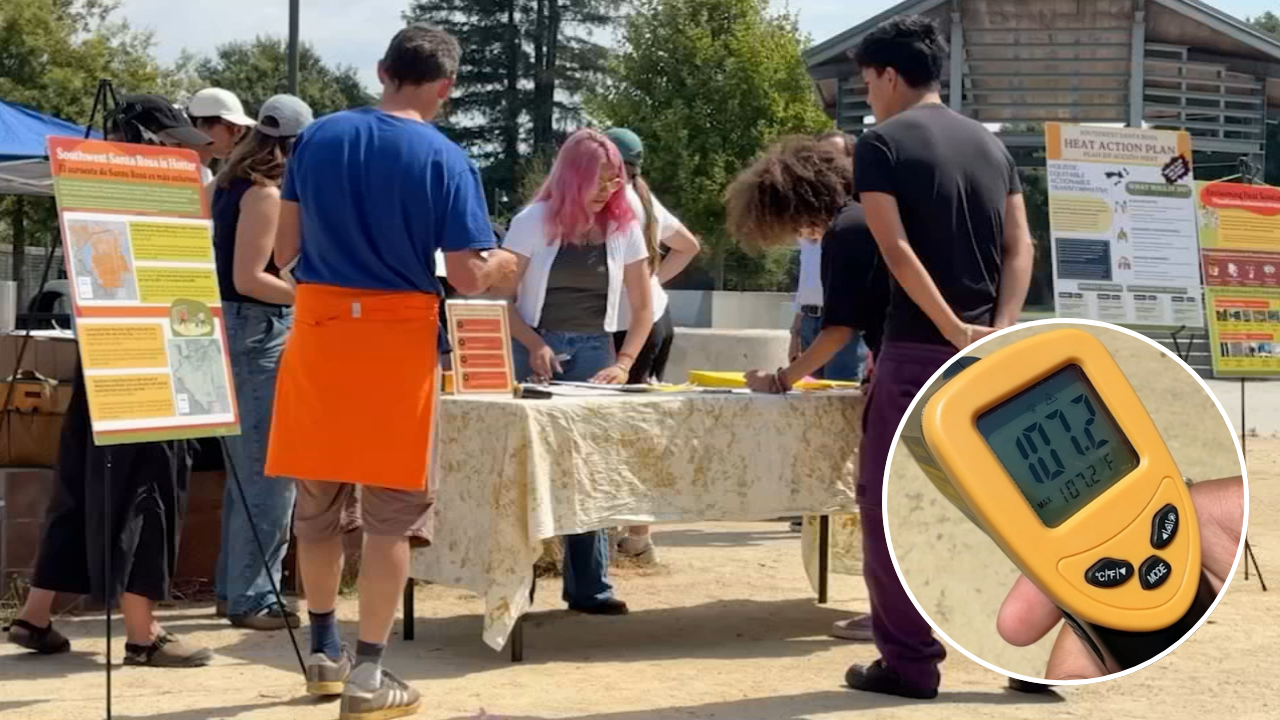
In Santa Rosa, residents are participating in a citizen-science project to measure air and surface temperatures to inform an "Extreme Heat Action Plan" aimed at addressing heat disparities.

 San Francisco Oakland San Jose, CA, August 9, 2026 —
Santa Rosa residents are actively involved in a citizen science initiative focused on measuring air and surface temperatures across the city. This project aims to gather crucial data that will inform the development of an “Extreme Heat Action Plan.” The ultimate goal of this plan is to address and mitigate the existing heat disparities within the community.
The citizen science effort enlists local participants to act as data collectors, contributing to a more comprehensive understanding of temperature variations in different neighborhoods. These temperature measurements are vital for identifying areas that experience disproportionately higher heat, often referred to as urban heat islands. Understanding the microclimates within Santa Rosa is a key step in developing targeted strategies to protect vulnerable populations.
The data collected by residents will be instrumental in shaping the Extreme Heat Action Plan. This plan is designed to be a proactive strategy, outlining steps the city can take to prepare for and respond to periods of extreme heat. By pinpointing specific heat-vulnerable zones through the citizen science project, city officials and community leaders can better allocate resources and implement effective interventions.
The focus on heat disparities acknowledges that the impacts of extreme heat are not evenly distributed. Certain neighborhoods, often those with less green space and more impervious surfaces, tend to be hotter and pose greater health risks to their inhabitants. The action plan seeks to address these inequities by ensuring that mitigation efforts reach all parts of the city, particularly those most at risk.
The initiative underscores the importance of community involvement in addressing environmental challenges. By empowering residents to participate directly in data collection, the project not only generates valuable scientific information but also fosters a sense of collective responsibility and engagement in finding solutions to climate-related issues. The specific timelines for data collection and the full scope of the Extreme Heat Action Plan are expected to be detailed as the project progresses.
Story summarized from the original created by KGO on abc7news.com, see more information here.
Media gallery
