
Lake Powell Hits Record Low, Following Lake Mead’s Precedent
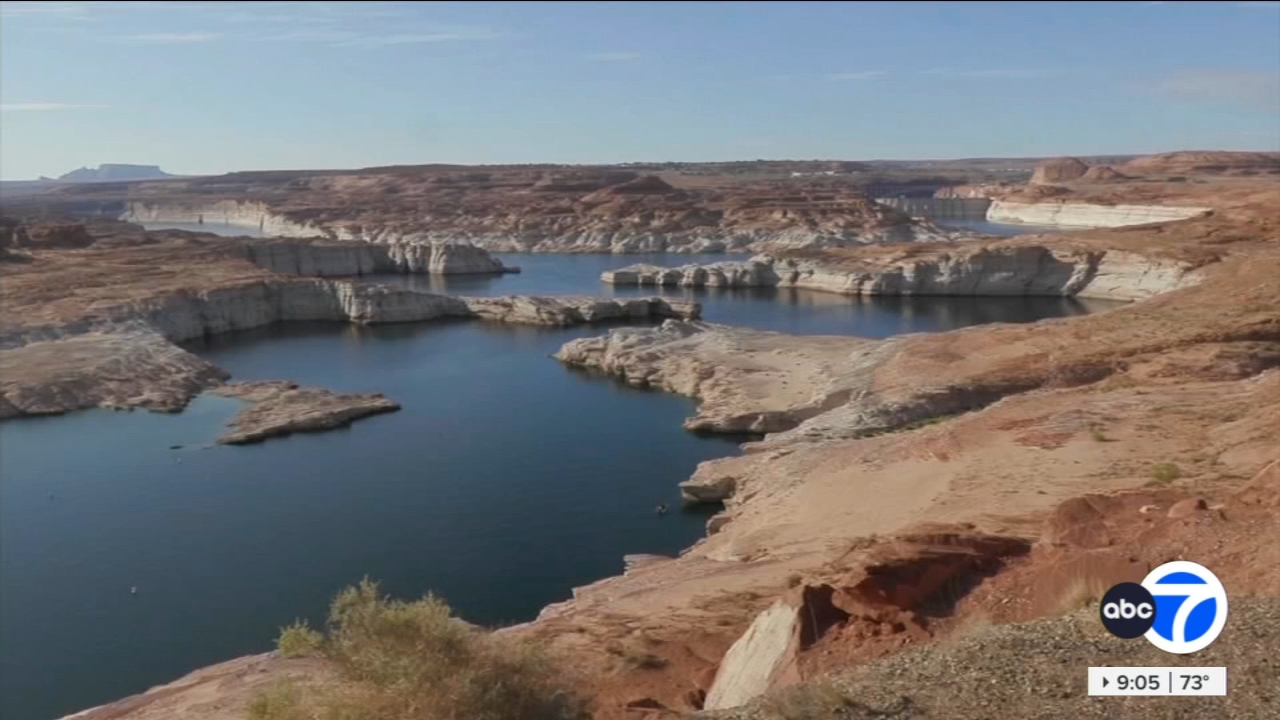
Lake Powell, the second-largest reservoir in the nation, has reached a record-low level, following a similar event at Lake Mead.

 San Francisco Oakland San Jose, CA, August 16, 2026 —
Lake Powell, a critical water source and the second-largest reservoir in the United States, has fallen to its lowest recorded level. This development mirrors the situation at Lake Mead, the nation’s largest reservoir, which previously reached a similar historic low.
The decline in water levels at both reservoirs, situated on the Colorado River, is attributed to prolonged drought conditions and increased water demand in the Western United States. The Colorado River Basin has experienced reduced snowpack and precipitation over an extended period, impacting the inflow of water into these vital reservoirs.
Lake Powell’s current water level represents a significant concern for the states that rely on the Colorado River for drinking water, agriculture, and energy generation. The reservoir serves millions of people across Arizona, California, Colorado, Nevada, New Mexico, Utah, and Wyoming.
Officials have been monitoring the declining levels closely, implementing various water conservation measures and management strategies to mitigate the impacts. The sustained low levels raise questions about the long-term sustainability of water supplies in the region and may necessitate further adjustments to water allocation and usage policies.
The record-low status of Lake Powell underscores the severity of the ongoing drought and its far-reaching consequences for the American West. Further updates on water management efforts and the potential impacts on regional water security are expected.
Story summarized from the original created by ABCNews on abc7news.com, see more information here.
Media gallery

