Jury Foreperson Describes Holdout Juror’s Stance in Lindsay Clancy Trial
A jury foreperson stated that a holdout juror in the Lindsay Clancy trial expressed having reasonable doubt but still refused to acquit the defendant.

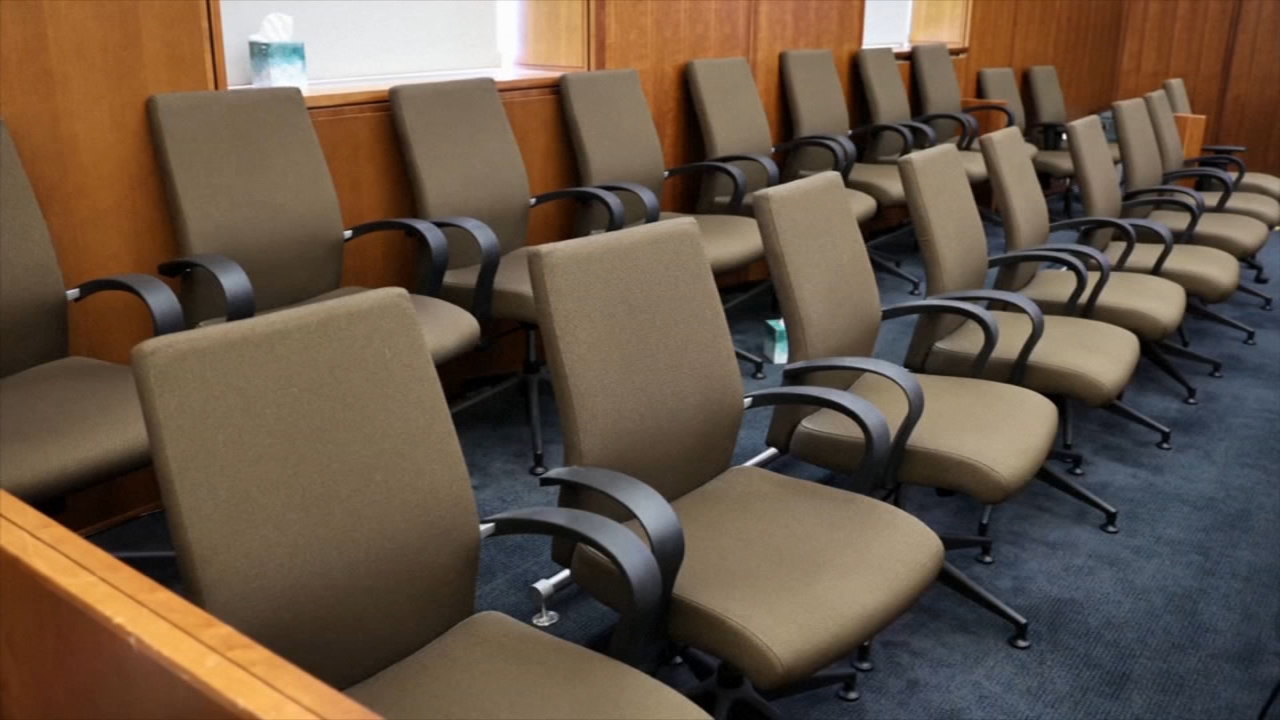
 San Francisco Oakland San Jose, CA, September 8, 2026 — The complexities of jury deliberations in the recent Lindsay Clancy trial were highlighted by a statement from the jury foreperson. According to the foreperson, at least one juror expressed internal conflict, articulating a belief in reasonable doubt while ultimately declining to vote for acquittal.
The foreperson’s account suggests that the deliberations involved nuanced discussions, with a juror indicating a recognition of legal doubt but stopping short of a verdict that would exonerate the defendant. Specific details regarding the nature of the reasonable doubt expressed by this juror, or their exact reasoning for refusing to acquit, were not provided. The foreperson’s statement did not specify whether this juror’s stance ultimately influenced the final outcome of the trial or the specific charges considered.
The identity of the holdout juror was not disclosed by the foreperson. Similarly, the precise timeline of when this juror expressed their views during the deliberation process remains unspecified. The statement from the foreperson focuses solely on the expressed internal state of one juror, indicating a deviation from a straightforward consensus.
Further information regarding the total number of jurors, the specific charges against Lindsay Clancy, or the verdict reached in the trial were not made available through this statement. The foreperson’s remarks pertain exclusively to the noted hesitancy and stated doubt from a single juror and their subsequent refusal to acquit. The full scope of deliberations and the factors contributing to the final decision, if one was reached, are not detailed.
The circumstances described by the foreperson underscore the challenging nature of jury duty, where individual interpretations of evidence and the standard of reasonable doubt can lead to prolonged or intricate deliberations. The extent to which this juror’s position impacted proceedings is not elaborated upon, leaving many aspects of the trial’s conclusion open to further inquiry.
Story summarized from the original created by AP on abc7chicago.com, see more information here.
Media gallery